

Collection
Six Moral Tales
Six brief affairs of the mind, from one of cinema's great moral philosophers, Éric Rohmer spent the 1960s and early '70s turning his ideas about cinema into film with this septet of stories about temptation and self-deception. Each installment follows a man already committed to one woman who finds himself drawn to another, only to talk himself back to the first — Rohmer's interest lying less in what his characters do than in the elaborate reasoning they use for justification. Shot with an understated, naturalistic eye and narrated in a wry first-person, the films move from the two black-and-white shorts that open the series to the lush, seasonal features that follow, cementing Rohmer as one of the New Wave's most distinct and influential voices.
Timeline
- 1
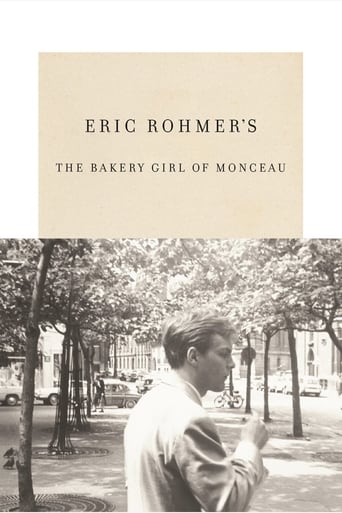 The Bakery Girl of Monceau1/1/196323m 6.9
After several days without seeing Sylvie, the object of his desire again, a nameless law student becomes involved with Jacqueline, who works at the local bakery. Eventually, he has to choose when he arranges dates with both on the same day.
- 2
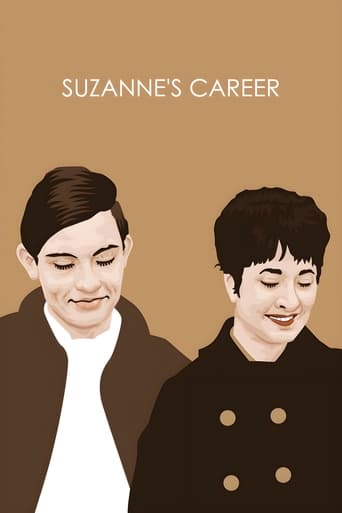 Suzanne's Career2/27/196354m 6.5
Timid pharmacy student Bertrand has mixed feelings about his womanising friend Guillaume's new girlfriend, Suzanne, who financially supports her duplicitous lover.
- 3
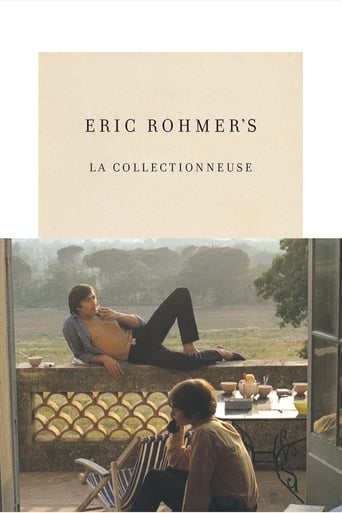 La Collectionneuse3/2/19671h 26m 6.9
Bombastic, womanising art dealer Adrien and his painter friend Daniel go on holiday at a 17th-century villa on the Riviera. But their idyll is disturbed by the presence of the bohemian Haydée, accused of being a 'collector' of men.
- 4
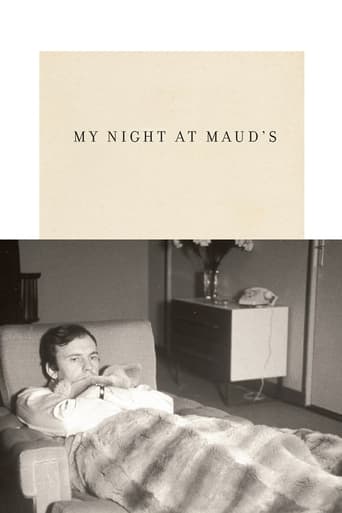 My Night at Maud's6/4/19691h 50m 7.6
Devout Roman Catholic Jean-Louis subscribes to an austere moral code influenced by the philosophy of 17th-century physicist Blaise Pascal. When he spots a pretty girl at church, he promises to one day marry her. But then an old friend introduces him to alluring divorcee Maud. After a conversation about love and credo, the chaste Jean-Louis spends the night at Maud's, conflicted about his desires.
- 5
 Claire's Knee12/11/19701h 45m 7.3
On the eve of his wedding, on holiday on the Lake Annecy shore, career diplomat Jérôme visits an old acquaintance, perhaps a former girlfriend. Through her, he meets an intense teenager, Laura, and then lusts after her sister, Claire. Whilst Laura attempts to flirt with him, Jérôme's fantasy becomes focused on wanting to caress Claire's knee.
- 6
 Love in the Afternoon9/1/19721h 37m 7.3
Successful Parisian lawyer Frédéric is happily married to schoolteacher Hélène. Though he daydreams of affairs with other women, he doesn't come close to acting on such thoughts until he runs into Chloé, a beautiful old acquaintance. Tempted by the vibrant Chloé, Frédéric is torn between impulsive lust and his love for Hélène.